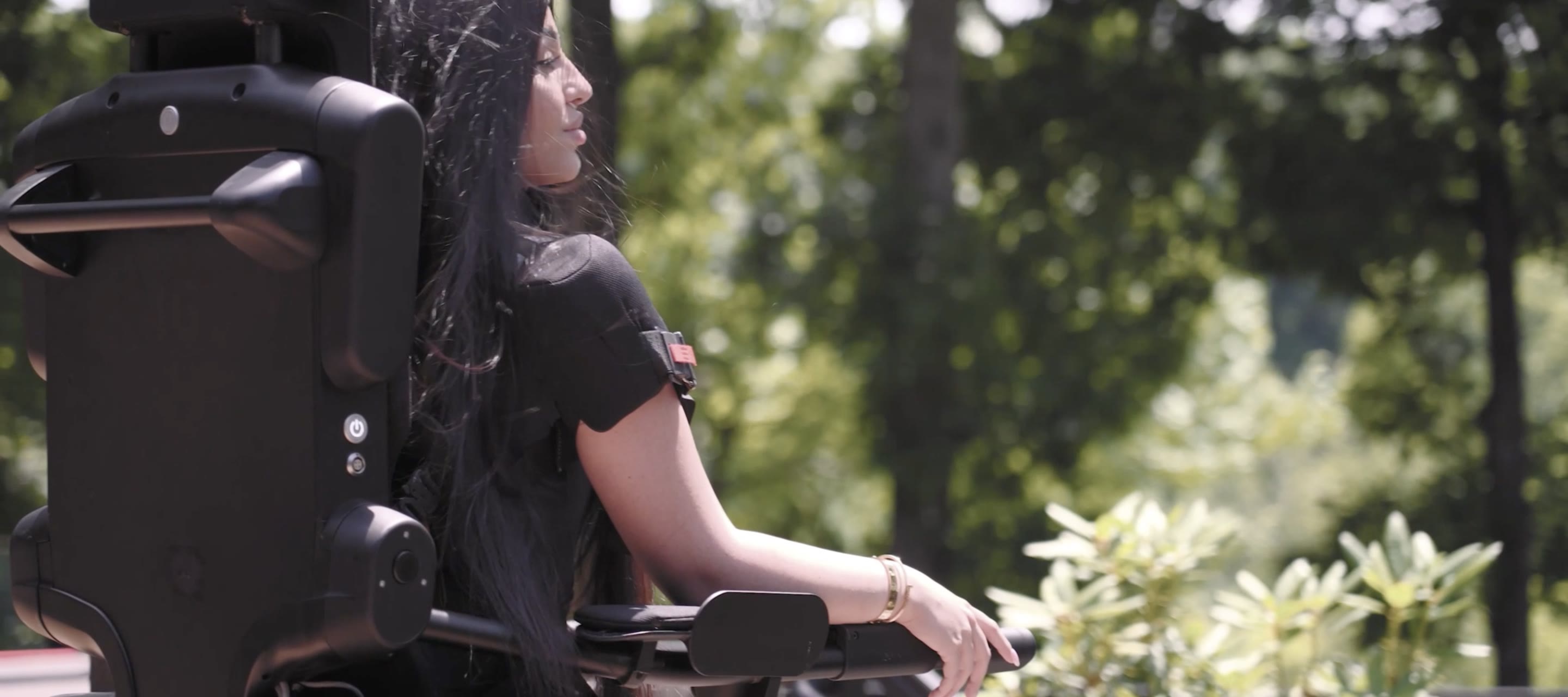
A man steadying a smiling young woman as she stands in the Eve personal exoskeleton

A dream turned into a purpose

Robotics built so people can do what they can't
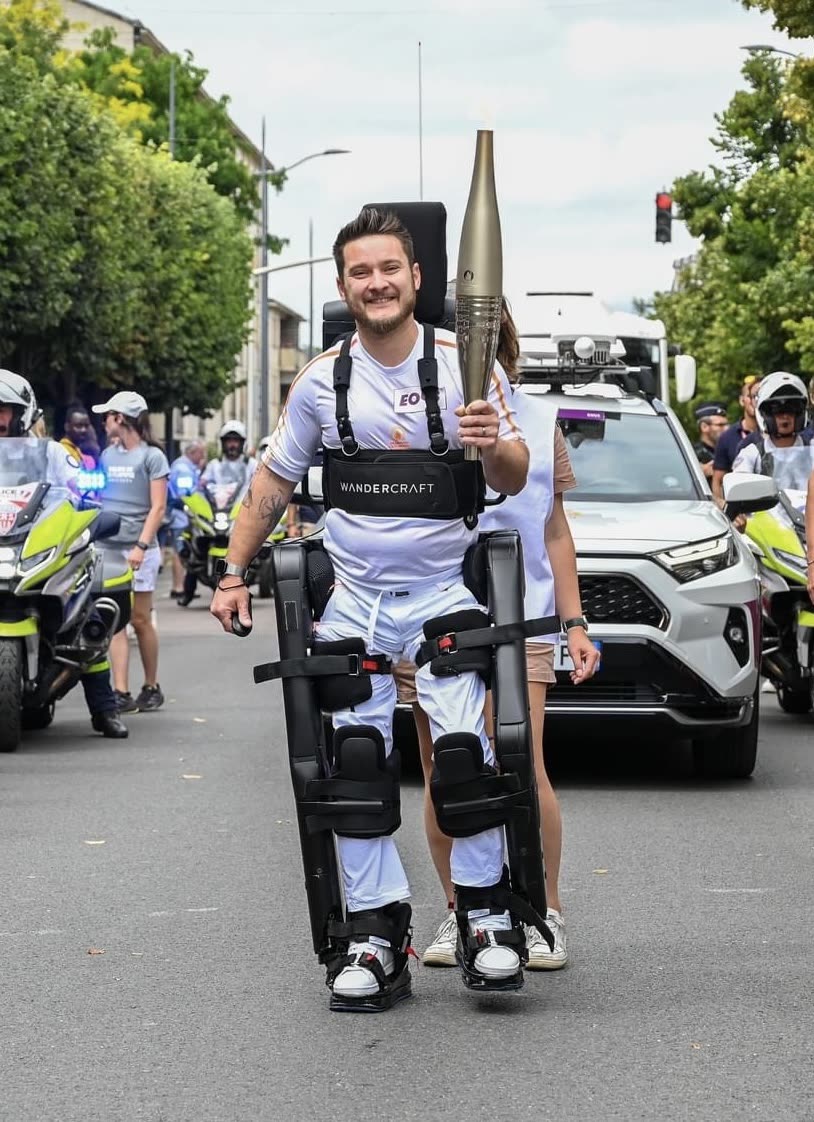
A Wandercraft pilot walking in an Atalante exoskeleton while carrying the Paris 2024 torch

Our story

It started with a question a young engineer could not put down. In a robotics club at the École polytechnique, Nicolas Simon watched a machine learn to walk and thought of his brother, who was losing that ability. If a robot can walk, why can't we build one that walks for him?

Wandercraft was founded in Paris in 2012 to answer it, and the answer took a decade of engineering: an exoskeleton that balances itself, so the person inside doesn't have to. In 2019 Atalante became the first self-balancing walking exoskeleton to earn a CE mark in Europe.

That same technology now carries people through rehabilitation at more than 150 clinical and research sites, is moving out of the clinic and into the home with Eve, and stands inside Calvin, our family of humanoid robots built for the heaviest work in industry. Three products, two markets, one conviction — robotics should help people do what they can't.

One platform, three robots

The same self-balancing technology at three scales — from a clinical exoskeleton to a humanoid built for the factory floor.
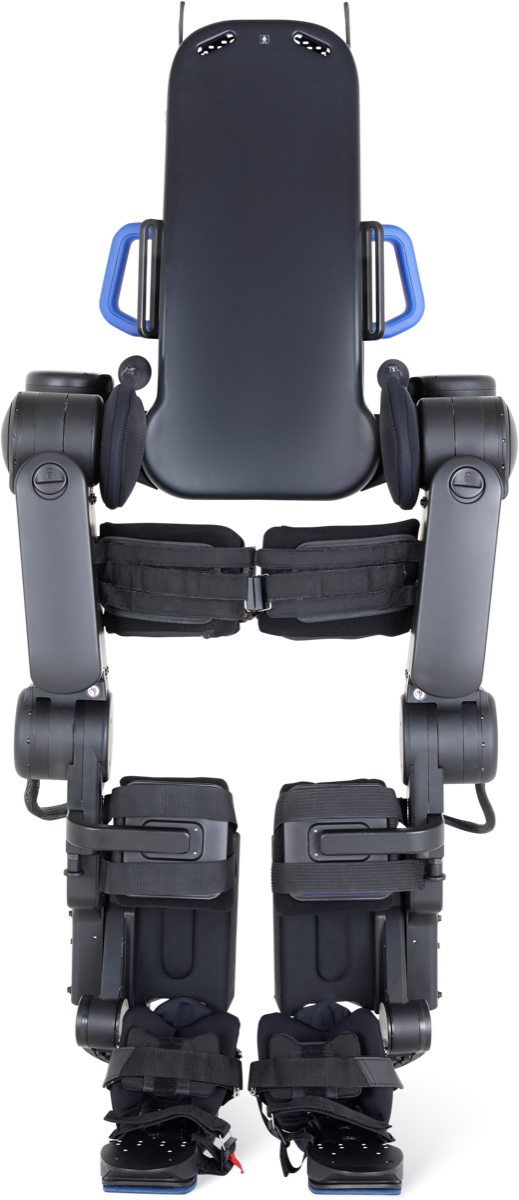
Atalante X clinical exoskeleton

Atalante X

Our clinical exoskeleton, walking patients hands-free in rehabilitation, without crutches.
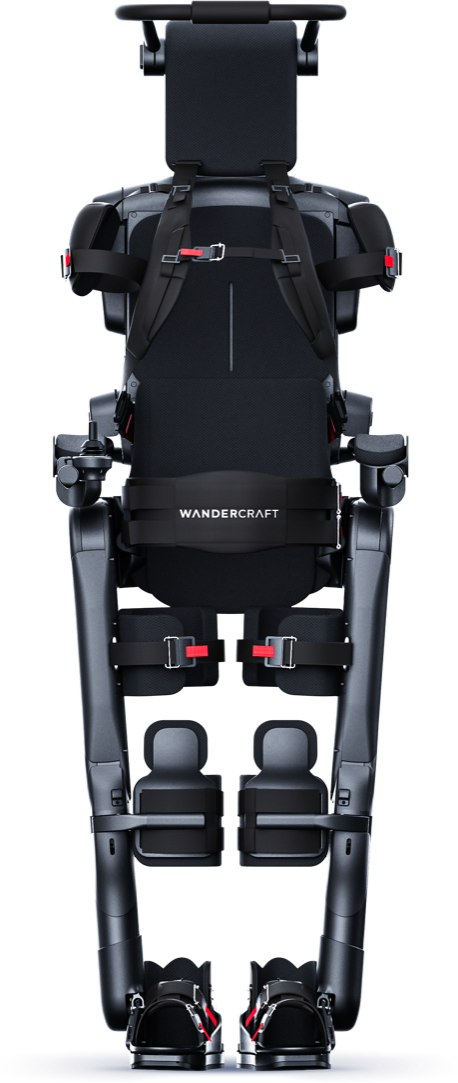
Eve personal exoskeleton

Eve

Our personal exoskeleton, built to leave the clinic and go home with the person who walks in it.
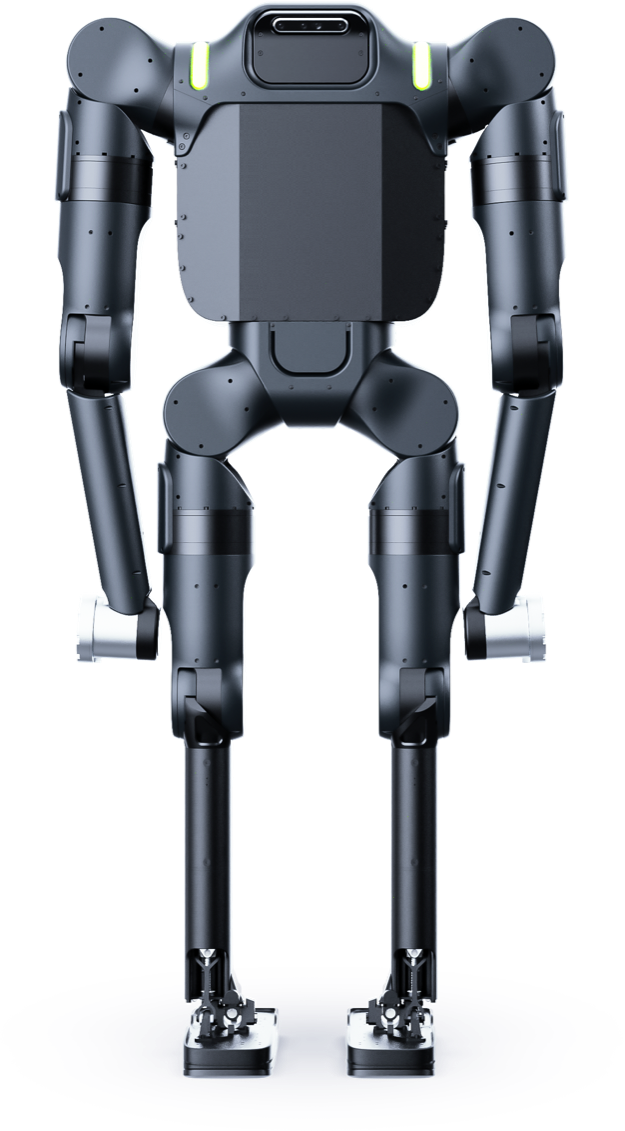
Calvin humanoid robot

Calvin

Our humanoid robot, built for the heaviest and most repetitive work on an industrial floor.

Where we've been

Fourteen years, three robots and one idea that refused to go away. Scroll sideways to follow it.

2012

Where our journey began

Nicolas Simon, Matthieu Masselin and Jean-Louis Constanza start Wandercraft in Paris — driven by a brother and a son who were losing the ability to walk.
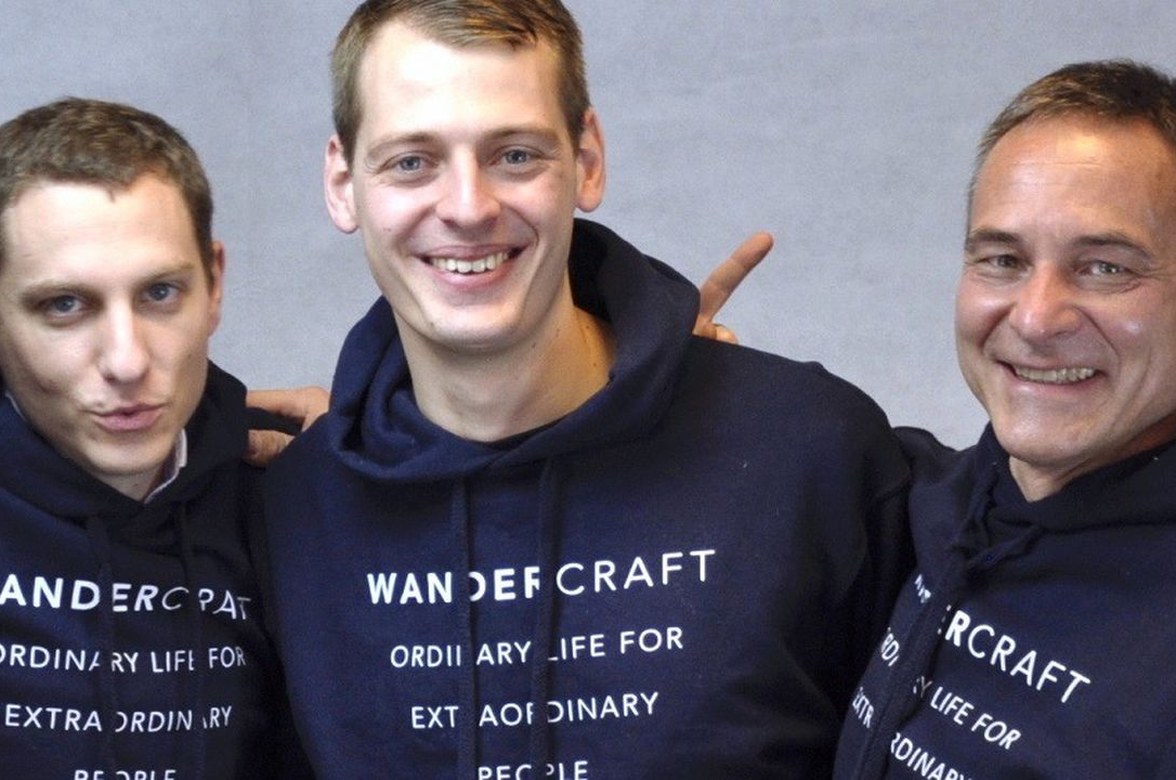
Wandercraft's founders together in the company's early days, wearing Wandercraft hoodies

2017

Proof it could work

The world's first clinical trials with our prototypes show that people with paraplegia can walk hands-free, without crutches.
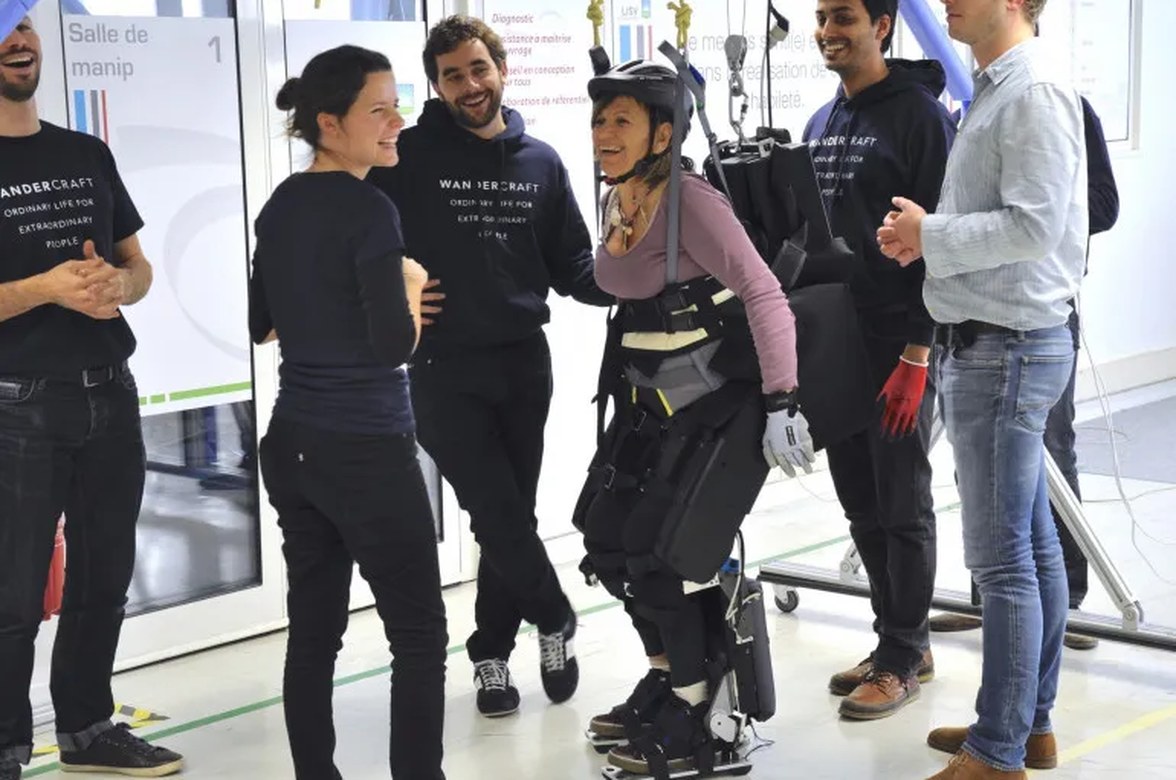
A user walking in a Wandercraft exoskeleton in the test laboratory, surrounded by the engineering team

2019

Atalante earns its CE mark

The world's first self-balancing exoskeleton is approved in Europe, walking its first patients in rehabilitation clinics.

The CE marking logo

2022

First FDA clearance

Atalante is cleared by the FDA for stroke rehabilitation, opening the door to American clinics — and to US operations the following year.

The United States Food and Drug Administration logo

2024

Walking with the flame

At Paris 2024, our exoskeletons carry the Olympic and Paralympic torches — including Thibault Simon, the brother whose story started it all.
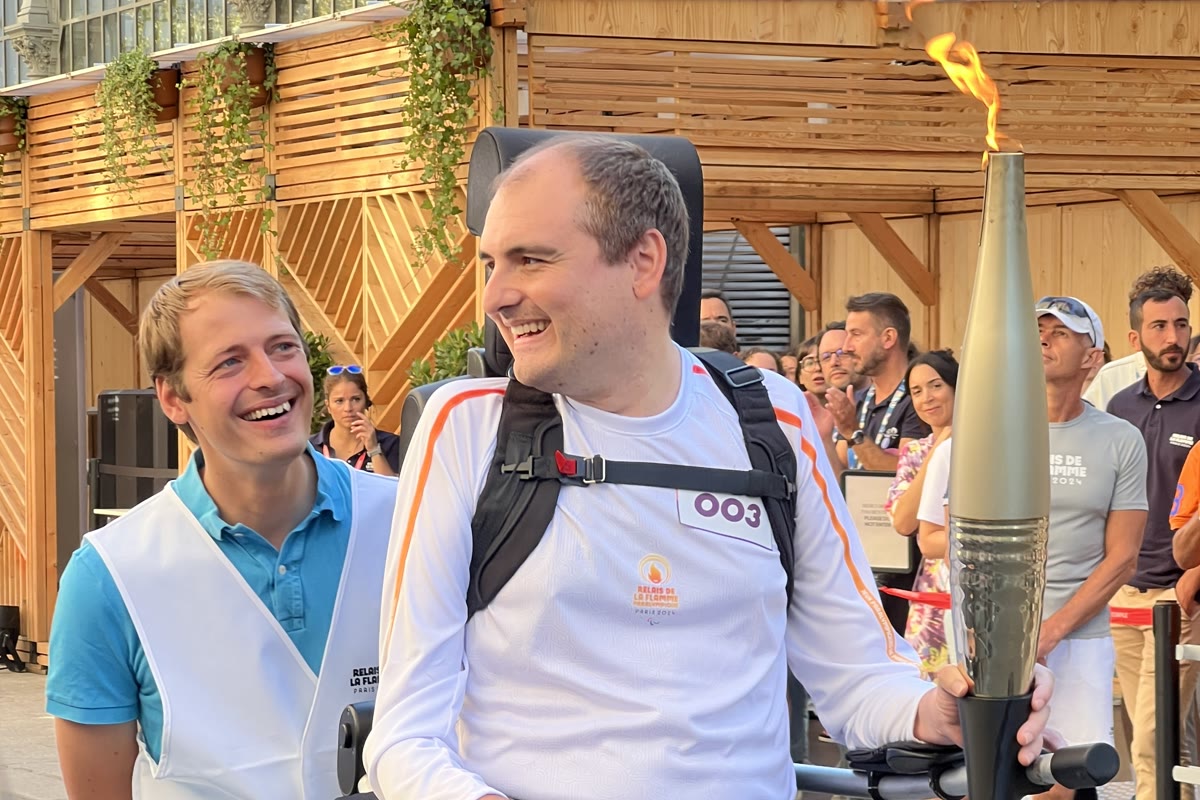
Two men at the 2024 Paralympic torch relay in Paris, one walking in a Wandercraft exoskeleton and carrying the torch

2025

Eve begins its pivotal clinical trial

Our self-balancing personal exoskeleton enters trials with people living with spinal cord injury, at the Bronx VA and Kessler.
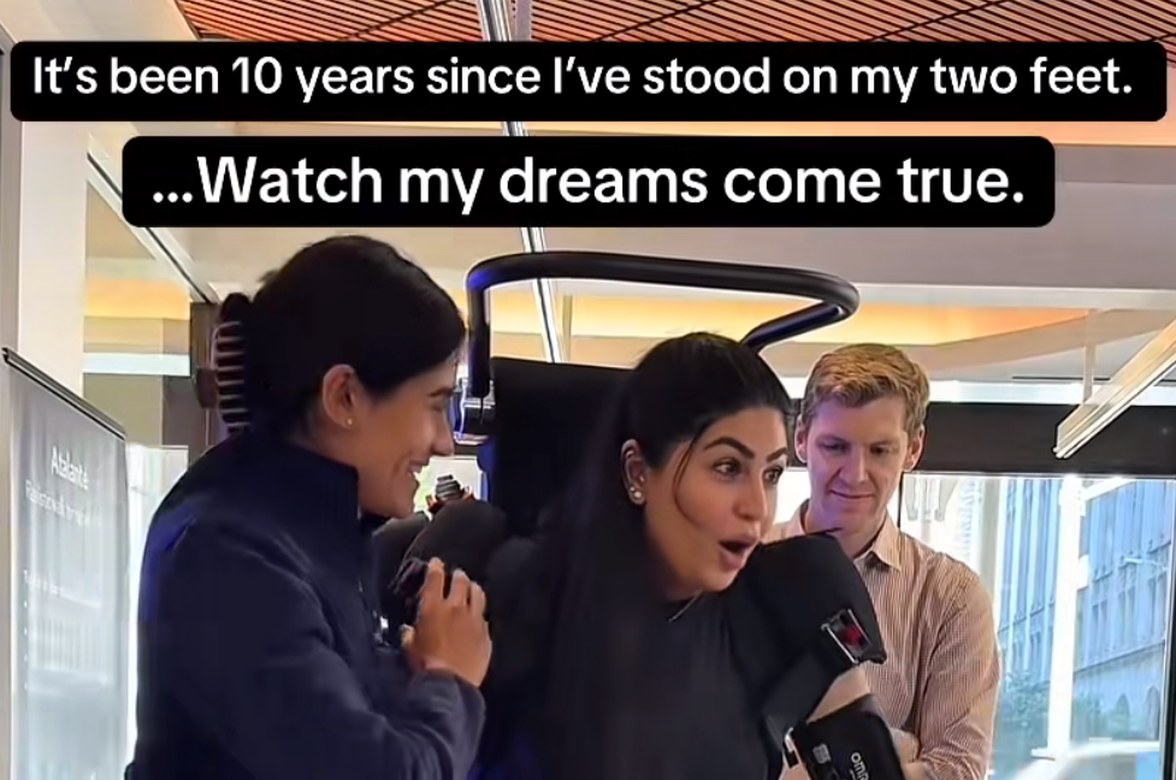
A user standing in Atalante between two clinicians, captioned “It’s been 10 years since I’ve stood on my two feet. …Watch my dreams come true.”

2025

Renault Group partnership and Series D

Renault Group takes a stake and joins us as an industrial partner, alongside a Series D round to scale production worldwide.
The Renault Group logo

2025

Calvin-40, our first humanoid

Built on more than a decade of exoskeleton engineering, the first Calvin prototype takes shape in 40 days. Calvin-40 is revealed with Renault Group as its first customer.
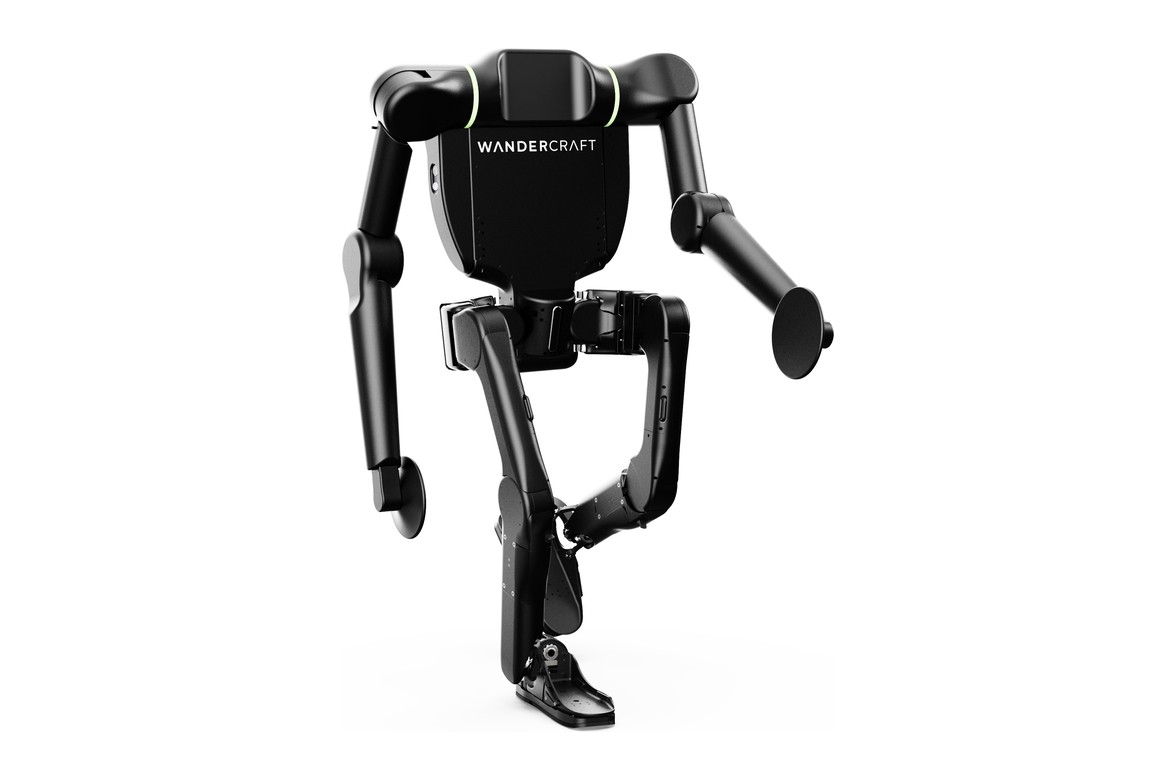
Calvin-40 humanoid robot, studio view

2026

Calvin goes to work

Calvin-40 is running on the line at Renault's Douai plant, with a fleet of 350 robots committed by 2027.
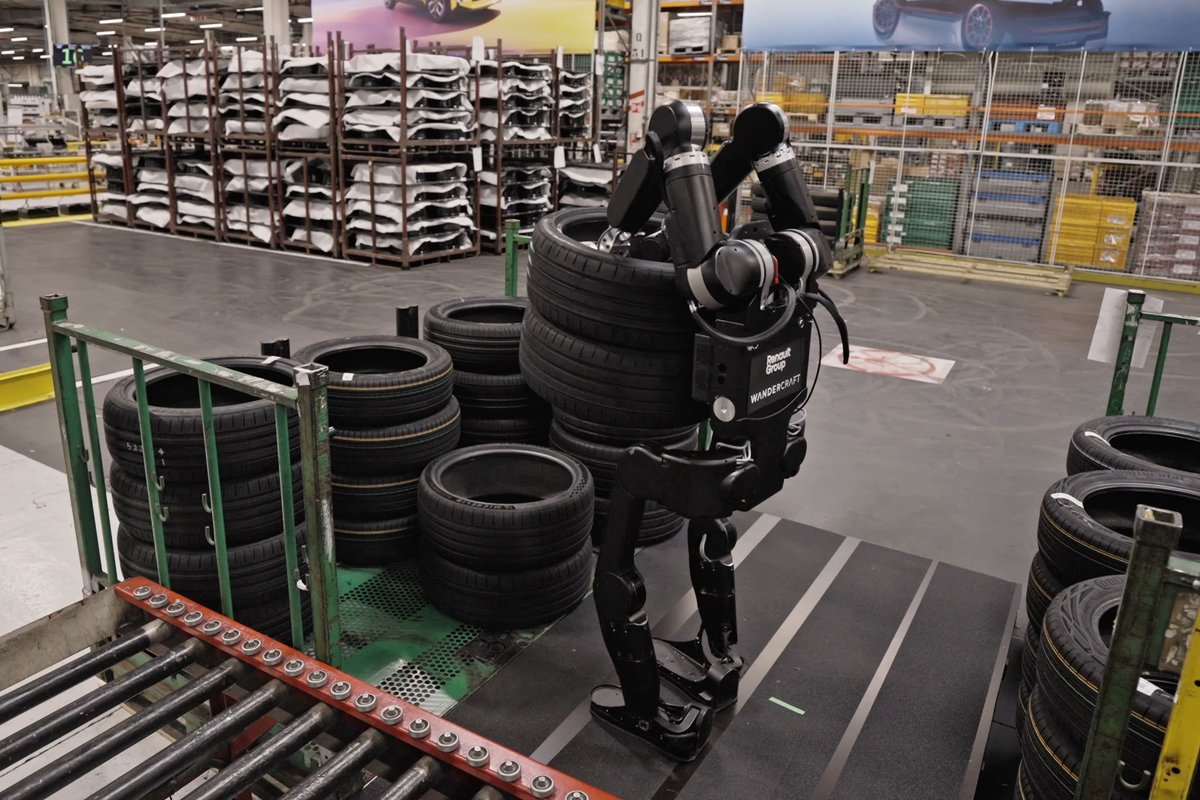
Calvin-40 carrying a stack of tyres on the floor of a Renault plant

2026

Eve is cleared by the FDA

Eve becomes the first self-balancing personal exoskeleton cleared for use at home by people living with spinal cord injury.
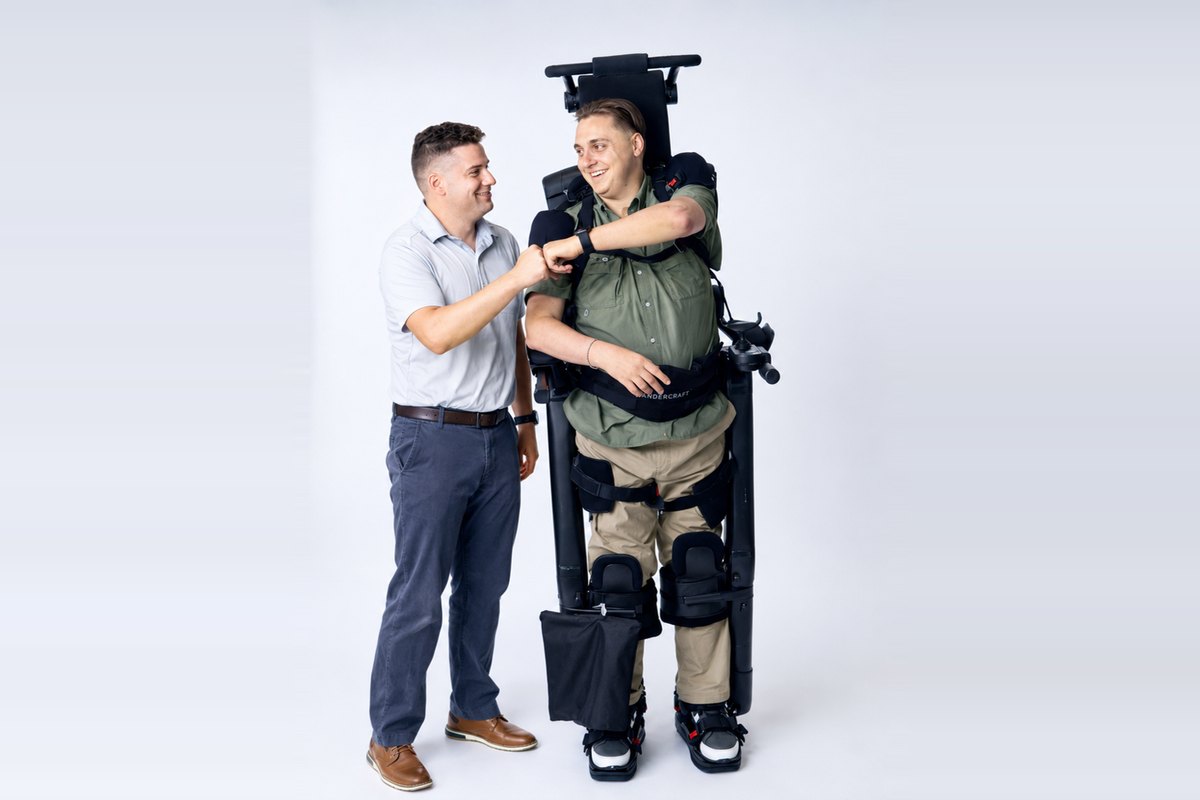
Weston standing in the Eve personal exoskeleton, fist-bumping a clinician in a studio

Meet the team behind the dream

175+ world-class AI, robotics and industrial experts, working from our dual headquarters in Paris and New York.


Matthieu Masselin
Matthieu Masselin
Founder & CEO
Nicolas Simon
Nicolas Simon
Founder, AI & controls
Jean-Louis Constanza
Founder, humanoids BD
Fabien Expert
Fabien Expert
Robotics platform
Audrey Baudet
Audrey Baudet
Robot production & operations
Maria Iacono
Maria Iacono
Regulatory, quality and clinical
Cyril Fessard
Cyril Fessard
Finance & people
Guilhem Boéris
Guilhem Boéris
VP AI & controls
Mathias Wulfman
Mathias Wulfman
Head of AI, data infrastructure & pipelines
Gabriele Buondonno
Gabriele Buondonno
Head of simulation
Sébastien Dalibard
Sébastien Dalibard
Head of systems engineering
Fabien Guérin
Fabien Guérin
Head of mechanical engineering
Guillaume Burger
Guillaume Burger
Perception lead
Stanislas Brossette
Stanislas Brossette
Loco-control lead
Marine Pétriaux
Marine Pétriaux
Manipulation lead
Isabelle Belanger-Basset
Platform software
Erwan Jagueneau
Erwan Jagueneau
Manufacturing & supply chain
Antonio El Khoury
Antonio El Khoury
Product

Join the WanderTeam

We're not just hiring people. We're building a team of pioneers, curious minds and problem solvers who want to change the world, step by step.

Apply
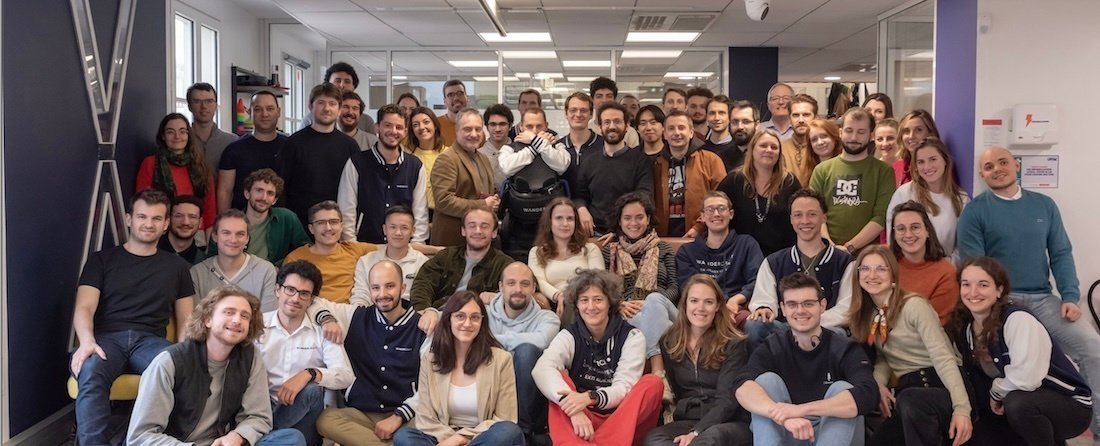
The Wandercraft team at the Paris office

The people we build for are in the building

Our Paris office has its own walk center, another is in New York City, and more are opening across the US. Users train in the building every day, so nobody here has to imagine who the work is for.

The problems are genuinely hard

Whole-body control, embedded AI, certifiable safety, robots that carry people and robots that carry payloads — and a production line waiting on the answer.

Depth is a career path

Our in-house Expert Track lets engineers go deeper in a specialty instead of managing their way up. Seniority here is not only a headcount.

One team, two headquarters

Paris and New York, held together on purpose: company-wide events every year, and well-being commitments we actually write down.

Come and shape the next generation of medical and humanoid robotics, powered by AI and purpose.

Antonio El Khoury
Product

“My motivation to be part of Wandercraft is three-fold: solving complex real-life problems in order to build a useful product, working with brilliant and dedicated teammates, and thriving in a diverse and healthy workplace environment.”

Fabien Expert
Robotics platform

“I like the idea of not knowing, of being surrounded by brilliant minds who also don’t know and who, when brought together, are able to do things you didn’t think were possible. I feel like I’m on the front lines, seeing the instructive failures, the jolts, the unexpected successes, the twists and turns along the way that are turning a simple idea into a solution for our patients.”

Gabriele Buondonno
Head of simulation

“I work at Wandercraft because I want to create cutting-edge technology that is concretely useful to people.”

Marine Pétriaux
Manipulation lead

“What I like about Wandercraft is developing a useful product for patients and therapists. We are fortunate to be able to engage with patients and healthcare professionals, and build tailored solutions to their challenges, within a fast development cycle. In the command department, we can very easily try out our new algorithms on prototypes in the test room. The technical challenges are there, but above all, we know why we get up every morning!”

Previous quote
Next quote