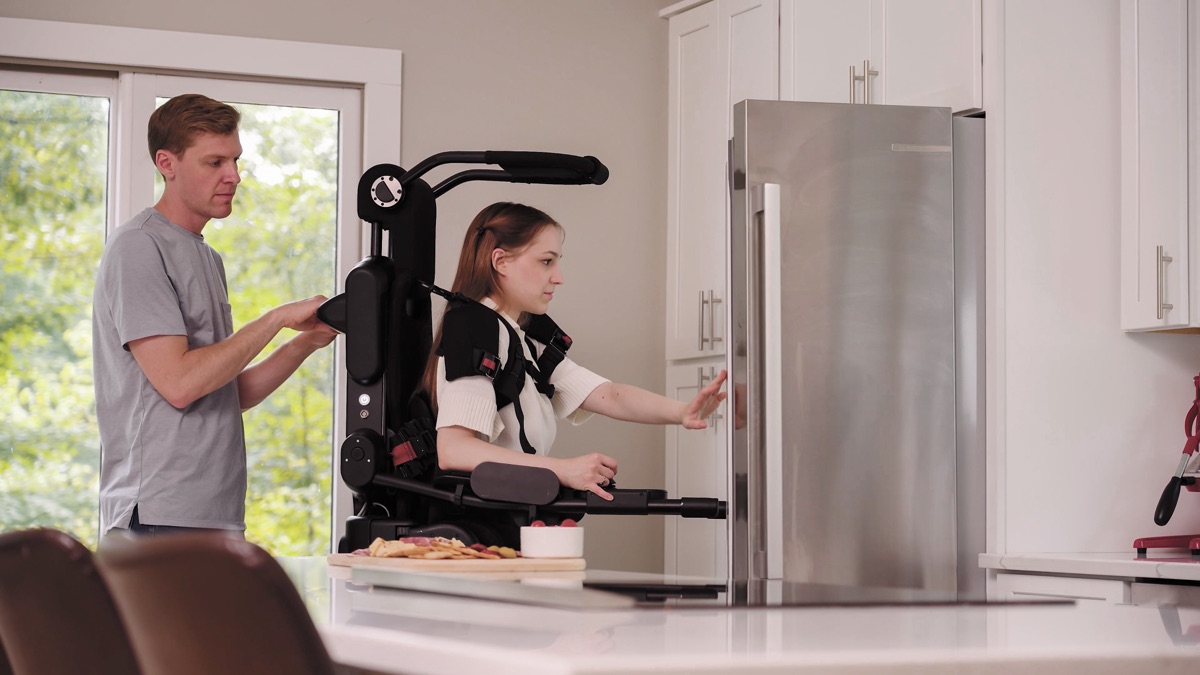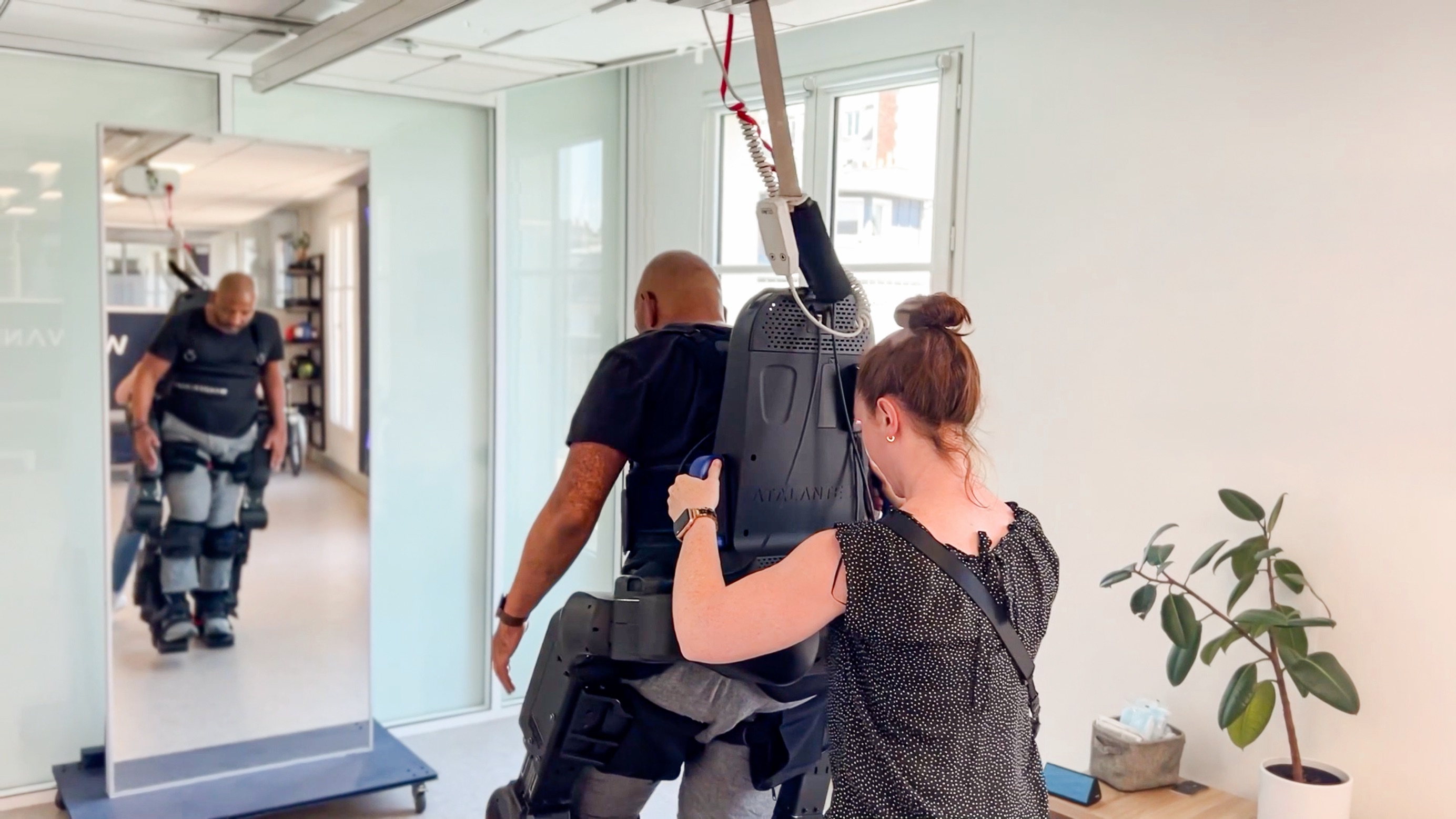

A device built for the realities of rehabilitation.
Request an Atalante X demoAtalante X enables patients with mild to severe walking difficulties, including those with upper limb impairments or cognitive disorders, to stand up and move hands-free. Atalante X mimics physiological walking patterns, using self-balancing technology, to address complex clinical profiles.
Atalante X can be used for early mobilization as well as chronic conditions. It supports programs that follow core rehabilitation principles: early mobilization, high intensity, repetition, personalization, and specificity.

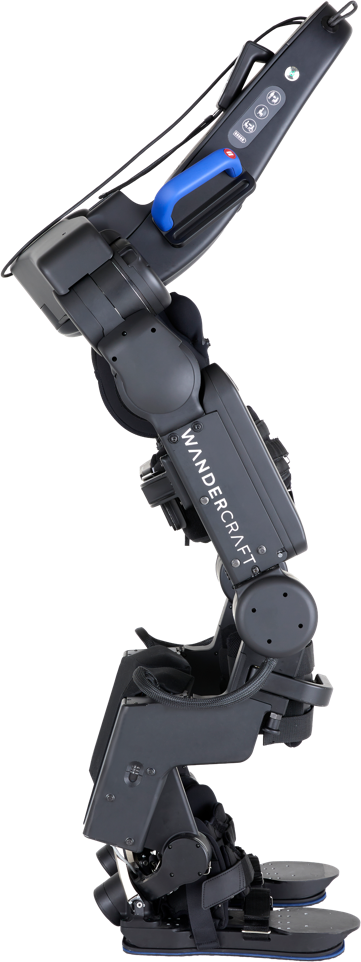
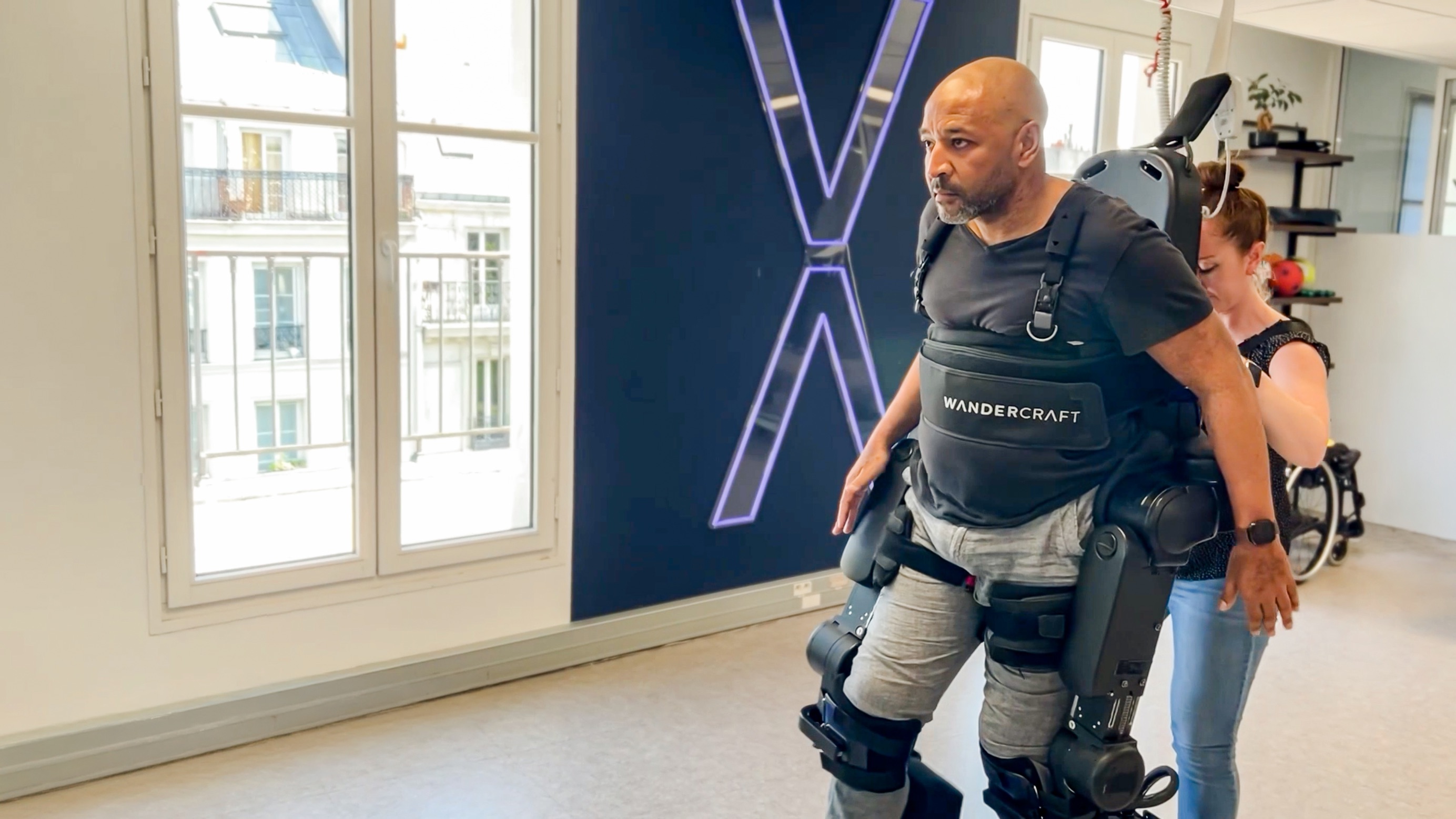
Atalante X is designed for both therapists and patients. It serves as a daily rehabilitation tool for multiple therapy goals and patient profiles.
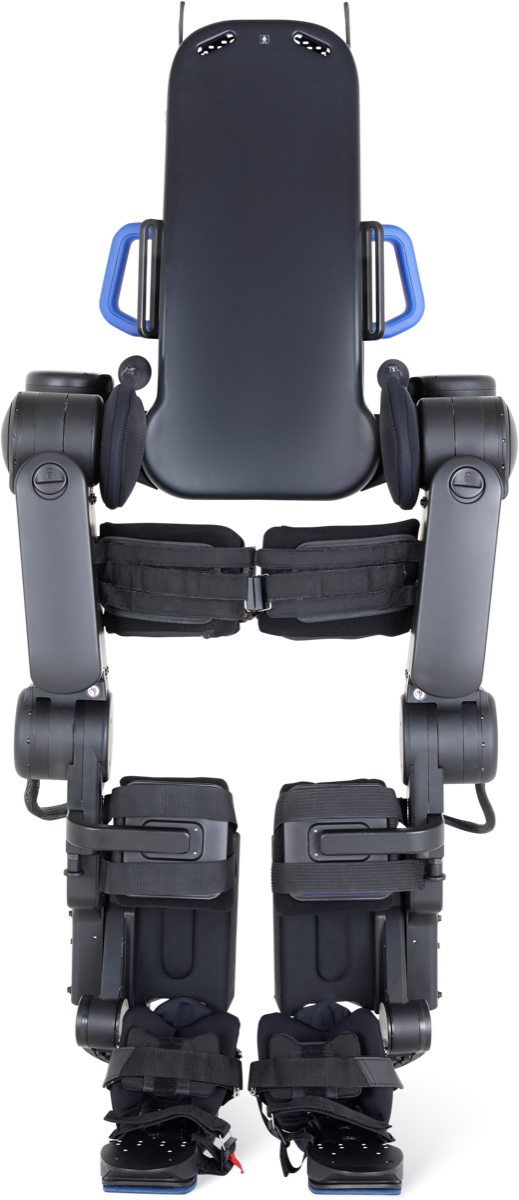
Adjusts settings to each patient’s therapeutic objectives, whether in early care or long-term rehabilitation.
Stabilizes itself so all patients, including the ones without trunk control, can walk safely while clinicians focus on therapy.
Delivers intensive, repeatable overground gait training while potentially reducing staff strain.
Track gait metrics in real time and compare performance across sessions for a fast, standardized assessment of patient progress.


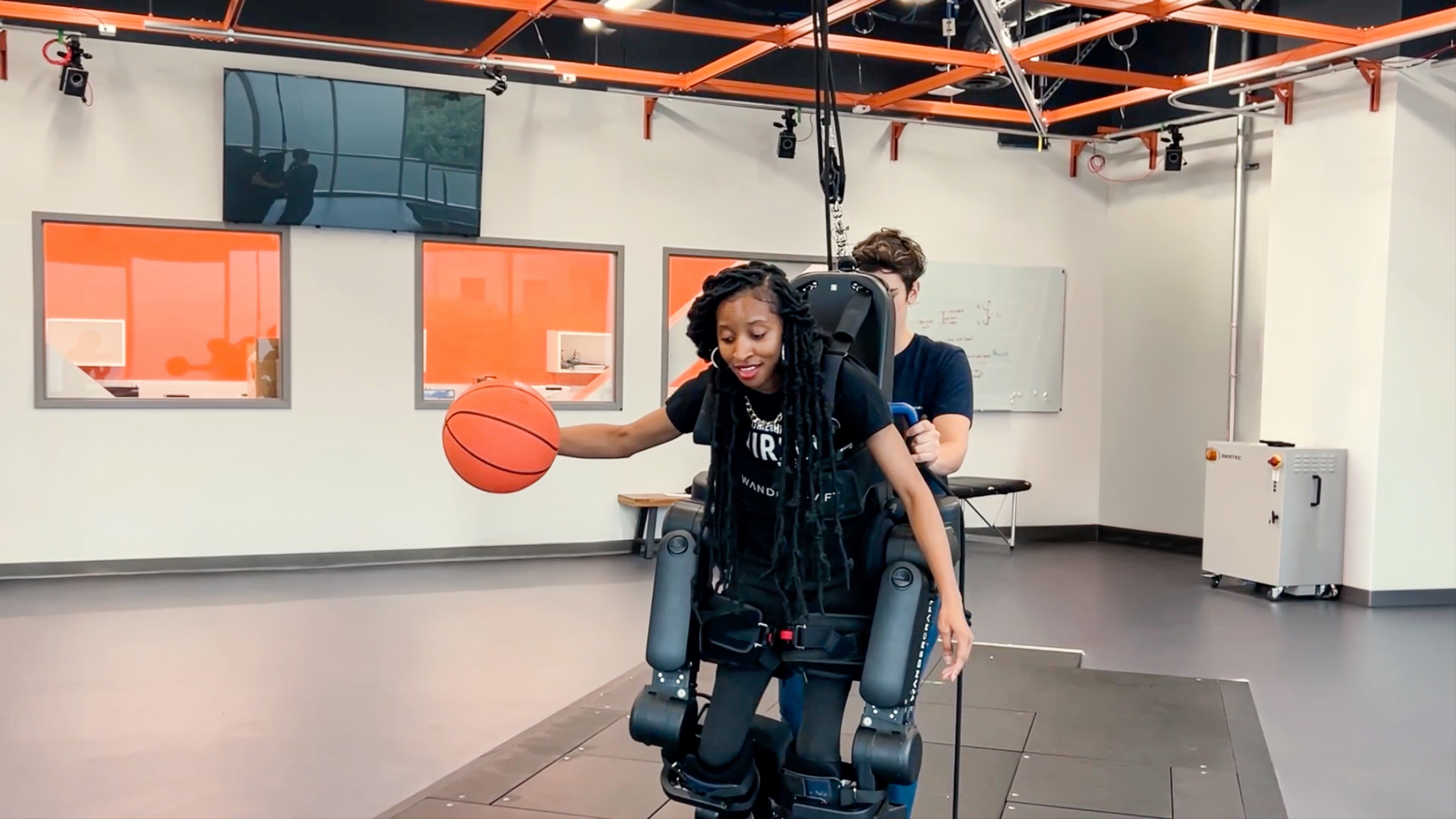


Atalante X is indicated for adult patients with hemiplegia / hemiparesis, paraplegia / paraparesis, tetraplegia / tetraparesis regardless of the cause.


Atalante X is indicated for individuals with hemiplegia due to cerebrovascular accident (CVA), spinal cord injury (SCI, C4–L5), or multiple sclerosis (MS).
The device is for patients aged 18 and older able to tolerate standing.

Operators must complete a certified training program before using the device.
Atalante X is not intended for sports activities or stair climbing.
Questions

Atalante X is a self-balancing, hands-free overground exoskeleton for rehabilitation. It stabilizes itself, so all patients, including those without trunk control, can stand and walk without crutches or a walker while clinicians focus on therapy. It has 12 motors including an articulated ankle and mimics physiological walking patterns. It is used for early mobilization as well as for chronic conditions.
Atalante X has been cleared by the FDA three times: for stroke rehabilitation in December 2022, for spinal cord injury at T5–L5 in February 2024, and for spinal cord injury at C4–L5 and for multiple sclerosis in November 2025. It is CE marked in Europe, with an expanded certification in August 2025 covering a wider range of neurological conditions including tetraplegia. It is listed on the Australian Register of Therapeutic Goods as a Class IIa device, and was cleared by ARCSA in Ecuador in July 2026.
Sessions are overground gait training: repeated stepping, weight shifting, turning and multidirectional movement, at the dose and intensity your protocol calls for. Assistance can be set asymmetrically and joint by joint, so it can be tuned to each patient's therapeutic objectives. Donning is done seated — one published study of post-stroke patients reported a mean donning time of 6 minutes 43 seconds and doffing of 1 minute 32 seconds. Gait metrics are tracked in real time for data-driven recovery, and the battery supports all-day use with a battery change.
Operators must complete a certified training program before using the device, and Atalante X is used under the supervision of trained operators throughout every session. Scheduling and duration are arranged with our team — ask when you request a demo.
Atalante X is not intended for sports activities or stair climbing. It is a rehabilitation device for clinical settings, used under trained supervision; it is not a personal device for home use. Our personal exoskeleton for the home is Eve, a separate device with its own clearance and its own indication.

Brings the freedom of walking into your everyday life: at home, independently, hands-free.